Specialized Deep Cleaning for Medical Offices & Healthcare Facilities
Comprehensive cleaning and disinfection services for medical offices, dental practices, clinics, and outpatient healthcare facilities throughout Dallas-Fort Worth. Our trained teams follow strict infection control protocols, use hospital-grade disinfectants, and maintain documentation that supports healthcare compliance, patient safety, and accreditation requirements.
Service Features
Exam Room Disinfection
Thorough cleaning and disinfection of examination rooms between patients, including treatment surfaces, medical equipment exteriors, seating, and high-touch areas. We follow terminal cleaning protocols that eliminate pathogens and prepare spaces for subsequent patients, supporting infection control compliance.
Waiting Area Sanitization
Comprehensive cleaning of patient waiting areas including seating, magazines, reception counters, and children's areas. We use disinfectants effective against healthcare-associated pathogens while being safe for public spaces, reducing transmission risks in high-traffic patient areas.
Medical Equipment Cleaning
Careful cleaning and disinfection of non-critical medical equipment exteriors including blood pressure cuffs, exam tables, dental chairs, and diagnostic equipment. We follow manufacturer guidelines to ensure effective sanitation without damaging sensitive equipment components.
Terminal Cleaning Protocols
Intensive cleaning and disinfection procedures for isolation rooms, surgical suites, and areas requiring enhanced infection control. These protocols include systematic surface treatment, floor cleaning, and air handling considerations that meet or exceed CDC and Joint Commission standards.
Biohazard Awareness & Handling
Our technicians are trained to recognize and properly respond to biohazard situations including bloodborne pathogens and potentially infectious materials. We maintain OSHA Bloodborne Pathogens Standard compliance and follow proper PPE protocols to protect both workers and patients.
Compliance Documentation
Detailed service documentation including cleaning logs, disinfectant types used, contact times, and technician certification supports healthcare accreditation requirements. We provide the records needed for Joint Commission, AAAHC, and state health department inspections.
Benefits of Medical Cleaning
Enhanced Patient Safety
Healthcare-associated infections (HAIs) affect approximately 1 in 31 hospital patients daily, with significant mortality and cost impacts. Professional environmental cleaning removes pathogens that cause infections including C. difficile, MRSA, VRE, and norovirus. Thorough disinfection of surfaces, equipment, and patient care areas is essential for preventing transmission and protecting vulnerable patients.
Regulatory Compliance Assurance
Healthcare facilities face stringent regulatory oversight from Joint Commission, CMS, OSHA, and state health departments. Environmental cleaning standards are specifically addressed in accreditation surveys and infection control inspections. Professional cleaning services that follow documented protocols help ensure compliance and reduce citation risk during inspections.
Reduced Healthcare-Associated Infections
Research demonstrates that improved environmental cleaning significantly reduces HAI rates. A comprehensive cleaning program can reduce C. difficile infections by up to 50% and MRSA transmission by 30% or more. These improvements protect patients, reduce liability exposure, and avoid costs associated with extended stays and treatment of preventable infections.
Patient Confidence & Trust
Patients notice facility cleanliness and associate it with care quality. Research shows that patient perception of cleanliness correlates with overall satisfaction scores and likelihood to recommend the facility. Visible commitment to hygiene through professional cleaning services builds trust and supports patient retention and referrals.
Staff Health Protection
Healthcare workers face elevated exposure risks to infectious agents. Proper environmental cleaning reduces pathogen loads that staff encounter, supporting employee health and reducing sick time. Healthy staff provide better patient care and reduce costs associated with worker illness and turnover.
Accreditation Support
Healthcare accreditation surveys specifically evaluate environmental cleaning programs. Joint Commission standards IC.02.02.01 and IC.02.01.01 address cleaning and disinfection of patient care equipment and environment. Professional cleaning services with documented protocols, training, and quality assurance directly support successful accreditation outcomes.
Our Medical Cleaning Process
Risk Assessment & Protocol Development
We evaluate your facility type, patient populations, procedures performed, and infection control requirements to develop appropriate cleaning protocols. This includes identifying high-risk areas, selecting EPA-registered disinfectants with appropriate kill claims, and establishing cleaning frequencies that meet healthcare standards.
Staff Training & Certification
Technicians assigned to healthcare accounts receive specialized training in infection control, bloodborne pathogen safety, HIPAA awareness, and healthcare-specific cleaning protocols. We verify understanding through testing and maintain ongoing education to ensure current knowledge of evolving standards and requirements.
Personal Protective Equipment
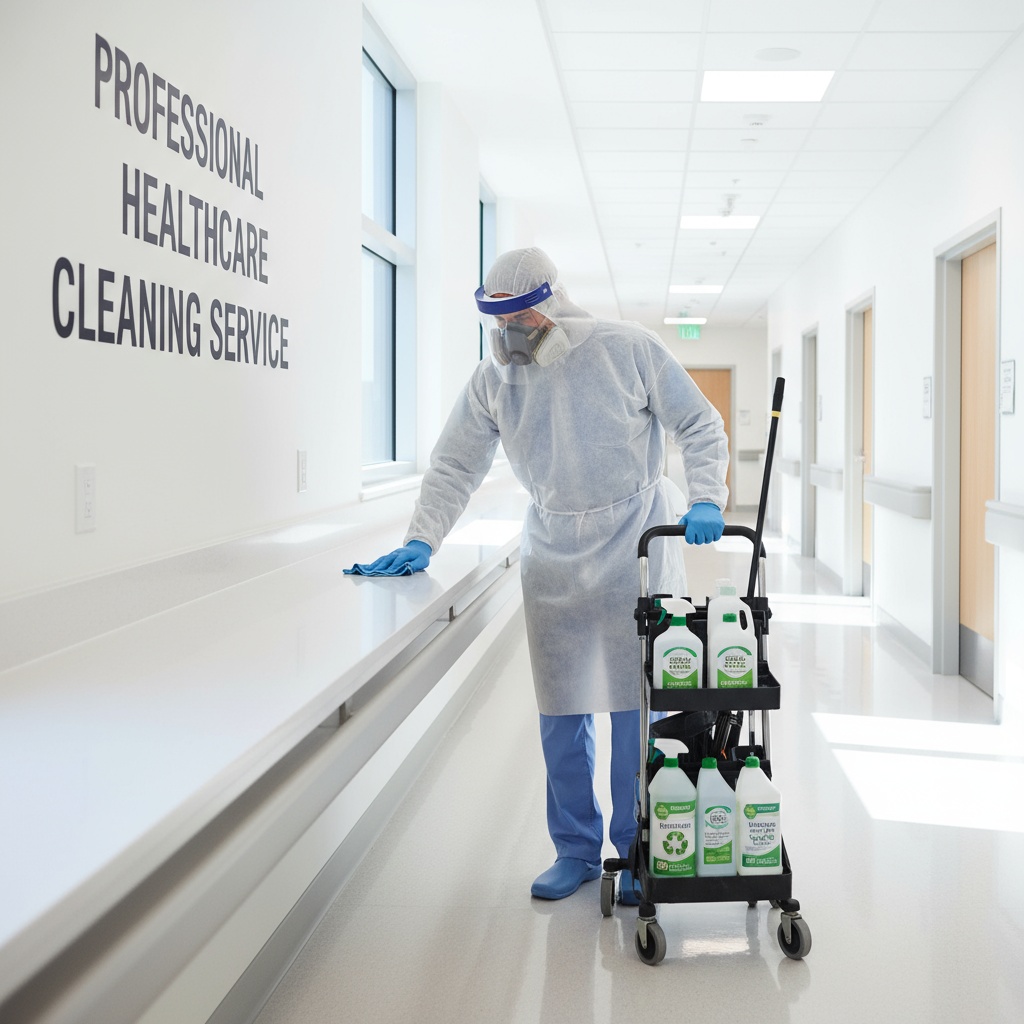
Our technicians don appropriate PPE before entering healthcare environments, which may include gloves, gowns, masks, and eye protection depending on the area being cleaned and potential exposure risks. PPE protects workers while preventing cross-contamination between areas.
Systematic Cleaning Sequence
We follow evidence-based cleaning sequences that progress from clean to dirty areas and from high to low surfaces. This systematic approach ensures comprehensive coverage while preventing recontamination of cleaned areas. High-touch surfaces receive particular attention due to their role in pathogen transmission.
Disinfection with Proper Dwell Times
Hospital-grade disinfectants are applied according to manufacturer specifications with attention to required contact times. Different pathogens require varying contact times for elimination - we ensure surfaces remain wet with disinfectant for the full duration specified on the EPA registration to achieve claimed kill rates.
Quality Assurance & Documentation
Supervisors inspect completed work to verify protocol adherence and thoroughness. All cleaning activities are documented in logs that record areas cleaned, products used, dates, times, and technician identification. This documentation supports compliance requirements and provides evidence of appropriate environmental hygiene practices.
Understanding Healthcare-Associated Infections and Environmental Cleaning
Healthcare Cleaning Standards and Regulatory Requirements
The Role of Environmental Hygiene in Infection Prevention
Selecting Disinfectants for Healthcare Environments
Frequently Asked Questions
What makes medical facility cleaning different from regular commercial cleaning?
Medical facility cleaning requires specialized knowledge, products, and protocols to address infection control requirements. We use EPA-registered hospital-grade disinfectants with demonstrated efficacy against healthcare-associated pathogens. Cleaning sequences follow evidence-based practices that prevent cross-contamination. Technicians receive training in bloodborne pathogen safety, HIPAA privacy requirements, and healthcare-specific protocols. Documentation supports regulatory compliance. The stakes are higher in healthcare - improper cleaning can contribute to patient infections with serious consequences. These factors require expertise and diligence beyond standard commercial cleaning.
Are your cleaning products safe for use around patients?
We select disinfectants that balance efficacy against pathogens with safety for patients, staff, and the environment. Our primary products are EPA-registered hospital-grade disinfectants approved for healthcare use. We follow label directions for ventilation, contact times, and safety precautions. Many modern disinfectants are designed to be compatible with occupied spaces when used properly. For areas with immunocompromised patients or chemical sensitivities, we can adjust product selection to meet specific needs while maintaining effective disinfection.
How do you prevent cross-contamination between different areas?
Cross-contamination prevention is fundamental to healthcare cleaning. We use color-coded microfiber cleaning systems that designate specific cloths and mops for different risk areas - patient rooms, restrooms, general areas, and isolation rooms never share tools. Cleaning progresses from cleanest to dirtiest areas within spaces. Technicians change gloves between rooms. Equipment is properly cleaned and disinfected between uses. These practices, combined with proper technique and training, effectively prevent spread of pathogens between areas of the facility.
Do you provide cleaning services during patient care hours?
We schedule services to minimize disruption to patient care while meeting infection control needs. Many tasks are performed after hours when patients have departed. However, some healthcare environments require daytime cleaning of public areas, spills, or terminal cleaning of vacated rooms. We work with facility leadership to develop schedules that balance operational needs with cleaning requirements. Daytime services in occupied areas use quiet equipment and discreet practices to avoid disturbing patients and staff.
What documentation do you provide for compliance purposes?
We provide comprehensive documentation to support regulatory compliance and accreditation requirements. This includes daily cleaning logs recording all areas cleaned, products used with EPA registration numbers, contact times achieved, dates and times of service, and technician identification. We maintain Safety Data Sheets for all products used. Training records document technician qualifications. Quality assurance reports track inspection results and corrective actions. This documentation package supports Joint Commission, state health department, and other regulatory inspections.
Are your technicians trained in HIPAA compliance?
Yes, all technicians working in healthcare environments receive HIPAA awareness training. They understand the importance of protecting patient privacy, including not accessing or discussing protected health information, properly handling any documents encountered during cleaning, and maintaining confidentiality. Technicians sign confidentiality agreements acknowledging their responsibilities. While environmental service workers typically have limited access to PHI compared to clinical staff, proper training ensures they understand and respect privacy requirements.
Related Services
Carpet Cleaning
Deep carpet cleaning for offices and commercial spaces using hot water extraction methods.
Furniture Disinfection
Hospital-grade disinfection for desks, chairs, and office furniture to eliminate germs.
Restroom Sanitation
Deep cleaning and disinfection services for commercial restrooms and washrooms.
Common Area Cleaning
Regular sanitization for break rooms, lobbies, and shared office spaces.
Ready to Experience the Difference?
Contact us today for a free consultation and customized quote for medical cleaning.